

Before continuing, please be aware that all of this content is made possible by the goodwill and support of my backers on Patreon. If you enjoy the work on this site, please consider supporting the creation of more content like this by clicking the button.
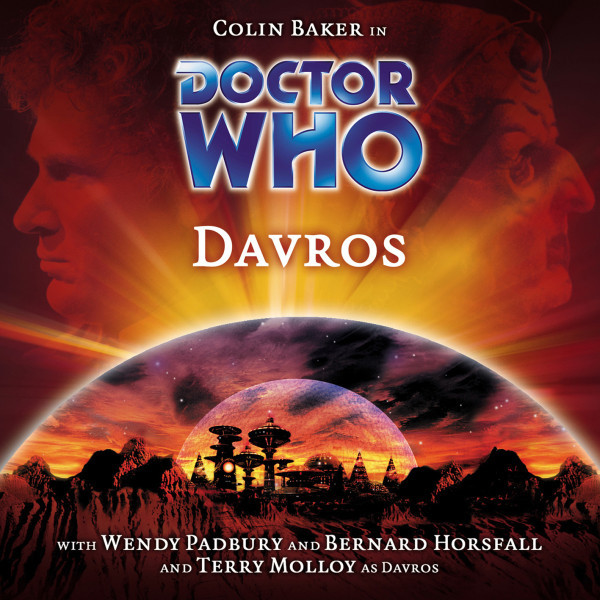
Let’s get this out of the way: Davros is bleak, brilliant, and bone-deep uncomfortable in the best possible way. This isn’t about Daleks. This is Davros unplugged. Davros deconstructed. Davros crawling through the bowels of corporate neoliberalism in a meat suit of lies and self-pity. It’s the bleakest TED Talk you’ve ever heard.
The Sixth Doctor, ever the walking moral high ground in a patchwork coat, shows up at TransAllied Incorporated—the kind of megacorp that probably bottles air and invoices you for breathing—to snoop on their latest hire: one clinically dead fascist science necromancer, Davros. They’ve brought him out of suspended animation, slapped a press badge on him, and told him he’s head of R&D. Because apparently when capitalism’s dying, it doesn’t turn to ethics—it turns to eugenics.
The Doctor immediately gets a corporate chaperone AI. Think Amazon Alexa crossed with a parole officer. He disables it, obviously, because even he has limits. Meanwhile, Davros plays it cool—smarmy, reformed, all charm and soft voice. He’s just here to help feed the universe, he swears. Just ignore the part where he suggests crashing the global economy and purging the “unworthy” to do it. Totally normal start-up pitch.
TransAllied Inc. eats it up. And here’s where the genius of the script lands its first punch: Davros doesn’t have to deceive them. They want what he’s selling. They don’t care about his war crimes. They care about profit margins and market share. He’s not a monster in the shadows anymore—he’s in the boardroom. They invite him in.
But it gets worse.
Lorraine Baynes, corporate heir and academic Davros fangirl, treats him like a misunderstood genius, a controversial thinker, a martyred visionary. It’s a vicious takedown of that smug brand of ivory tower wankery that coos over authoritarian ideologies like they’re fashion statements. Lorraine doesn’t question Davros—she curates him. She fetishizes him. And in doing so, becomes his accomplice.
The real horror? Davros tells stories about his past—trauma, loss, the war, Shan—and for a second, just a second, you might almost feel sympathy. And then he pivots. Uses it. Weaponizes it. Turns it into moral justification for genocide. And the story never lets you forget: trauma doesn’t excuse cruelty. It explains it, maybe. But it sure as hell doesn’t absolve it.
In the end, he burns. Again. Screaming for someone he murdered long ago. There is no redemption. There is no catharsis. There’s just the warning: fascists don’t come wrapped in swastikas anymore—they come with grants, charisma, and TEDx lectures about “efficiency.”
Terry Molloy kills in this. His Davros is snake-oil sincerity wrapped in existential rot. Colin Baker gives us righteous fury simmering under disappointment. The soundscape is cold, clinical, and drenched in dread. No Daleks, no armies. Just two men and a corporation. And it’s terrifying.
Final Verdict:
Davros is not a Dalek story. It’s a mirror held up to the real world and angled just enough to burn. It’s about how capitalism can’t tell the difference between innovation and ideology—and how academia sometimes doesn’t want to.
5 out of 5 ash-grey corporate nightmares.