

Before continuing, please be aware that all of this content is made possible by the goodwill and support of my backers on Patreon. If you enjoy the work on this site, please consider supporting the creation of more content like this by clicking the button.
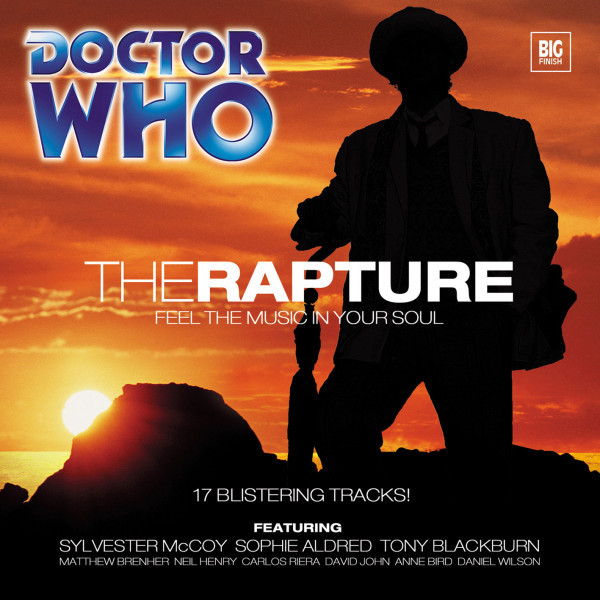
I legitimately hate this story. From the moment it kicks off with Ace—now “Dorothy McShane”—struggling with PTSD, and the Doctor thinks, “Ibiza, baby!” I felt my brain slowly cringe. Ibiza in 1997 for a weekend retreat? It’s the worst attempt to shoehorn a punk rebel into clubland without understanding her bone-deep disdain for conformity.
Enter the nightclub: The Rapture. Managed by a pair of literal angels—or, no, aliens pretending to be angels, because it turns out spirituality is just neuro-linguistic programming mixed with MDMA. Gabriel (the PTSD angel) is tripping on trauma and Jude (the manipulative one) is building a teenage army through the power of trance. This would be camp if it weren’t so gross. But no, The Rapture genuinely believes it’s saying something profound about the spiritual hollowness of youth culture, while sounding like a Radio 4 presenter guessing what ketamine is. It’s like the writer heard one rave story and assumed all clubbers are lost and drug-ravaged. That is not Ace. That is not club culture. It’s lazy, and it’s bought all the stereotypes with a two-for-one misrepresentation discount.
When Ace meets Liam—her previously unknown brother—you half-expect a soap twist. And yes, we get that: Liam’s introduction turns Ace’s origin into an episode of Coronation Street. Fine, if you want emotional melodrama. Not fine when you toss mental health into the blender without any nuance. Catrina, a depressed and possibly schizophrenic clubber, exists only to be mind-controlled, abused, and nearly dies. She’s… not a character. She’s a bundle of mental health tropes and suffering, constructed purely so the story can moralise about depression while gleefully reducing her to a screaming reverb toy. Is she schizophrenic? Is she just sad? Doesn’t matter, the script doesn’t care, she’s here to suffer loudly and be mind-controlled until the Doctor saves her through, I don’t know, good vibes and disappointed frowning.
By Act Four, the plot collapses under its own smug ambitions. Jude’s plan? Music so hypnotic it fries everyone’s brain until someone saves the day.
Religious indoctrination? Military recruitment? Fine—if you had even a shred of interest in those themes. But instead, the story mistakes cheap allegory for commentary. You could explore how spiritual iconography is co-opted to manipulate vulnerable youth into violent causes. You could interrogate how PTSD affects more than just soldiers. But The Rapture doesn’t do that. It moralises. It condescends. It assumes clubbers are empty and lost and on drugs because they’re sad inside, and that maybe they just need an alien angel to conscript them into a space war to give them some goddamn purpose. It’s offensive, reductive, and mean-spirited.
Ace deserves better. Mental health deserves better. Hell, club culture deserves better. This isn’t edgy, it’s embarrassing. It feels like someone tried to write a Doctor Who episode based on an anti-rave pamphlet they found at a motorway service station in 1998.
Final Verdict:
This story isn’t just bad—it’s actively unkind to its own characters, its would-be themes, and anyone with lived experience of mental health issues or subcultural life. It’s lazy stereotyping wrapped in an empty moralizing shell. If you want to insult the intelligence of your listeners, this one’s a masterclass. Mean-spirited, ignorant, and painfully uncool.
0 out of 5 PCP-soaked glowsticks