

Before continuing, please be aware that all of this content is made possible by the goodwill and support of my backers on Patreon. If you enjoy the work on this site, please consider supporting the creation of more content like this by clicking the button.
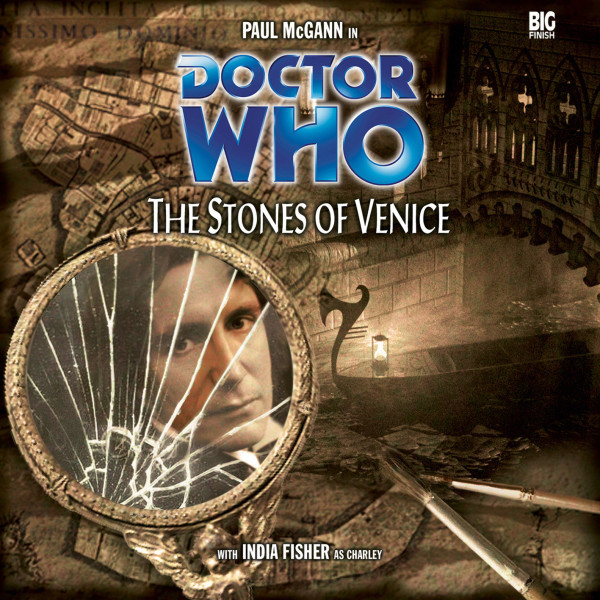
Picture this: the Doctor and Charley float into Venice as though it’s been soaked in rosewater and heartbreak. This isn’t Doctor Who: Sci-fi Edition—it’s Doctor Who: Gothic Opera With Blood Tincture. If that makes you grin, you’re in exactly the right boat.
Let’s be honest: the plot isn’t reinventing the wheel. We’ve got a sulking Count pining over a lost love, statues that moan like they’re auditioning for an avant-garde horror show, and canals that look like they might swallow you whole. The Castle of Otranto is playing in the background, Bela Lugosi is definitely somewhere off-stage whispering, and the only thing missing is someone dramatically fainting onto plush velvet. But, and this is key—it knows it. It leans into that full-throated gothic cheese with such relish, you begin to crave it.
Acting? Gorgeous, melodramatic, and utterly committed. The Count spools his tears like silk thread. Every gasp is a symphony, every line drenched in tragic elegance. This is velvet-and-velour acting, topped with a black-lacquer train of vampy emotional stakes. And you feel it. It’s theatrical, fugitive from subtlety—and that’s the point. It’s a beautifully ridiculous joyride.
But did it hit me more than Storm Warning or Sword of Orion? Damn straight. Because it wasn’t trying to be grim or noir or commentary on robot wars. It wanted to dress up, light candles, and sing the lurid ballad of lost aristocrats. And it nailed it. It’s like someone handed the franchise its opera glasses and said, “Look, do something this pure.”
Venice, as captured here, is Venice. The creak of ancient floors, distant church bells echoing through mist, footsteps in empty alleys—it’s gothic Venice time-warped with all the whisper of dark secrets. The background design isn’t just setting; it’s breath. When a statue moves? You hold your breath. Every ambiance chord lifts the whole thing skyward.
And it’s Charley and the Doctor who make it soar. She’s the cool-eyed skeptic navigating through opulence that’s rotting at the edges. He’s the romantic with a heart weighed down by centuries, sighing about how art perishes while love shouldn’t. Their banter is light, then suddenly sharp—exploring love’s power to kill or heal with a sideways glance. It earns its moment when the Count’s secret survives the final reveal, and the Doctor quietly says nothing. Instead, he offers Charley a look that says, “It was always about the beauty of the moment.”
Let’s be clear: you won’t remember the plot points next week. You will remember the drip of candle wax in a frescoed hallway, the way Charley’s voice wavers when she says “romance,” the Count’s voice crescendoing like a dying opera. That’s how the story works.
Final Verdict:
Lavish in its camp, heartfelt in its melancholy, and unapologetically dramatic. The Stones of Venice is the opera the TARDIS needed.
4.5 out of 5 decadent gothic swoon-fests