

Before continuing, please be aware that all of this content is made possible by the goodwill and support of my backers on Patreon. If you enjoy the work on this site, please consider supporting the creation of more content like this by clicking the button.
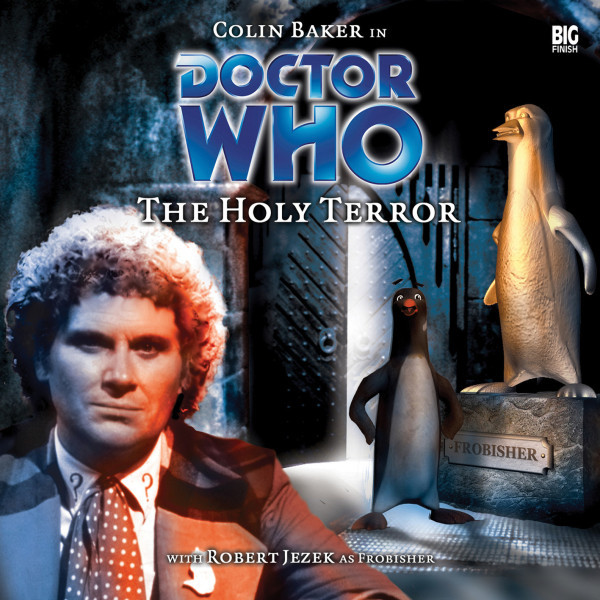
Imagine a medieval theocracy run like a sitcom, but the punchlines are executions and the pope is also your dad—and possibly a robot. Welcome to The Holy Terror, where the Sixth Doctor and his absurdly delightful companion Frobisher (yes, the talking penguin from the comics—don’t question it) land smack in the middle of a fortress of inherited murder rituals, divine succession, and oh yeah, a godchild who’s a little too real for comfort.
Right out the gate, this story swerves into the weird lane and floors it. We’ve got cults, torture, divine right politics that make Game of Thrones look like a PTA meeting, and a whole ecosystem of characters who all think they’re fulfilling sacred roles… until the roles start rewriting themselves. The entire premise feels like Robert Holmes ghostwrote a Terry Gilliam script on a Red Bull binge, and I mean that as a compliment.
The Sixth Doctor is in top form here. He rolls in with that theatrical bombast, spouting wit and moral outrage, and then—he’s wrong. He’s deeply, horrifyingly wrong. The twist isn’t just plot-level; it’s metaphysical. The Doctor thinks he understands the rules of this place and tries to solve the mystery like it’s a Scooby-Doo episode. But this castle isn’t following laws of logic—it’s following laws of narrative. Sacred narrative. And when he finally realizes the danger, it’s too late. He’s gutted emotionally and spiritually, which is a rare, delicious thing to watch happen to Six.
And then there’s Frobisher. Yes, he’s a penguin. No, he’s not comic relief. Okay, he is, but only until the story punches you in the soul through his arc. His chirpy banter gives way to a devastating confrontation with faith, guilt, and responsibility. Honestly, the emotional climax doesn’t belong to the Doctor—it belongs to Frobisher. It’s his tragedy. And that’s a twist no one saw coming.
The supporting cast is grotesquely brilliant: child gods, scheming clerics, robot scribes. Their dialogue teeters between Shakespearean grandeur and dry sitcom absurdity. And somehow, it works. The horror here isn’t just blood and sacrifice—it’s the horror of blind obedience, of roles so calcified that people forget they’re acting.
Tonally, it’s a minefield. One minute we’re laughing at snide court banter, the next we’re in a nightmare of psychological torment and divine horror. And yes, the tonal jumps can be jarring. But that’s the point. This isn’t a smooth ride; it’s a theological rollercoaster through narrative trauma.
The sound design is phenomenal: echoing vaults, ritual chants, screams that sound far too real. It creates a sonic cathedral, gorgeous and terrible. The climax, when godhood is revealed as abuse in mythic clothing, is devastating. And then… silence. It lingers.
Final Verdict:
A biting, brutal satire of religion, narrative, and morality, dressed in absurd costumes and wielding emotional gut-punches. Frobisher is a legend. The Sixth Doctor bleeds. And the audience wins.
4 out of 5 demonic penguin sidekicks.