

Before continuing, please be aware that all of this content is made possible by the goodwill and support of my backers on Patreon. If you enjoy the work on this site, please consider supporting the creation of more content like this by clicking the button.
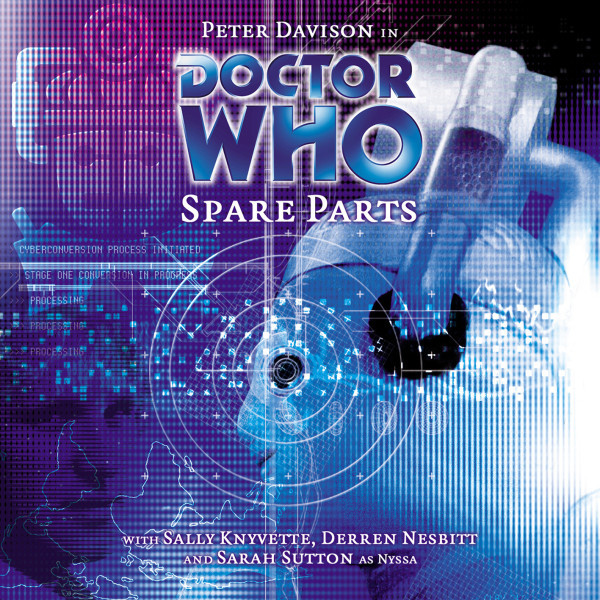
Okay, let’s cut the fluff. Spare Parts is that story—the one that heralded Cybermen origin lore, undercut with pathos so painful it’ll register on the Richter scale. And yes, it’s a fan-favourite for good reason. This isn’t just “robots turned bad”; it’s an origin myth drenched in loss, fear, and the grinding injustice of the forgotten.
We land in the subterranean slums of Telos, a cold, coal-black rogue planet where Yvonne and Frank—your everyday working-class Telosians—scratch out a living in radioactive grindstones. Their lives aren’t glamorous. They’re back-breaking, thankless, and ruled by distant bureaucrats who care more about “upgrades” than human welfare. Their scenes feel like South Wales steel town poetry, not some sci-fi veneer. That authenticity sneaks in and hits you: these are real people, not extras in a dystopian set.
The Cybermen’s genesis here is brutal genius: stranded workers, infected by radiation, offered immortality as metal-clad salvation. Frank’s arch is the beating emotional nucleus—his fear, hopelessness, then forced transformation make him a reluctant soldier for progress. The script doesn’t pretend that this progression is heroic. It isn’t. It’s tragedy dressed as triumph. The ideological undercurrents—your Soviet-style collectivism mixed with fascist efficiency—work, but the story resists preaching. It never shoehorns metaphors. Instead it lets Yvonne’s grief and the palpable shame ripple across Telos’ dark corridors.
Location-wise, Telos is a character in its own right: vast, half-ruined, abandoned malls turned to catacombs, smoke-stained concrete halls, an atmosphere of oppressive utility. Every echo, drip, gear-whirr, and distant warning siren is engineered to remind you that this is a society built to survive—at any moral cost. The audio design is sharp enough to make your teeth ache.
The Doctor and Nyssa are the moral counterpoint—curious, appalled, outraged, but utterly helpless against the tide. Peter Davison’s Doctor is measured, torn between the absolute horror happening in grimy shadows and the unshakeable belief that it must be stopped. Sarah Sutton as Nyssa grounds him—she’s the emotional compass, the soft pulse reminding him that Telos lives are worth more than any “next evolutionary step.” Their dynamic is subtle but strong.
The political allegory—be it USSR nostalgia or Systems of Control 101—isn’t hectoring. It’s bleak life choices masquerading as progress. The Cybermen are not evil people; they’re the nightmare product of dehumanised economics. And the script nods to this ambiguity—there’s no easy villain. Just desperation, institutional failure, and bodies.
By the last scene—when Frank steps into VR-cold steel and a hollow figure takes Yvonne’s hand—it punches your gut. No redemption. No hero pose. Just cold metal and grieving eyes. It lingers long after the credits fade.
Final thoughts:
Spare Parts is sci-fi with a soul. It’s not shiny. It’s not loud. It’s marrow-deep without being preachy. It’s the kind of origin story you feel, not just hear. Yes, it threads allegory lightly, but it never lets the working-class Telosians get overshadowed. They deserve the centre spotlight—and it’s delivered with grace.
4.5 out of 5 cold metal hearts