

Before continuing, please be aware that all of this content is made possible by the goodwill and support of my backers on Patreon. If you enjoy the work on this site, please consider supporting the creation of more content like this by clicking the button.
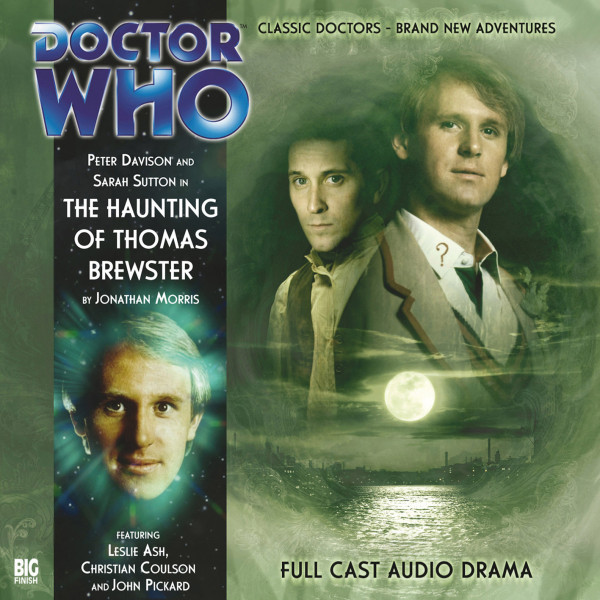
The Haunting of Thomas Brewster starts with a sucker-punch of a first episode that absolutely refuses to waste your time. We slam right into the soot and sorrow of Victorian London and the miserable little life of Thomas Brewster, a Dickens-flavoured orphan who feels painfully real instead of cosplay-Oliver. Big Finish goes hard on mood here: street grime, river fog, wet cobblestones, that particular Victorian sadness where everyone is either starving, dying, or aggressively doing both for dramatic effect. Brewster’s grief runs the whole show at first, and it’s not just background tragedy. His pain is the engine of the entire plot, a brilliant choice that gives the story its emotional teeth.
Then the timey-wimey chaos starts cooking. The Doctor gets knocked off the timeline and spends a whole year stranded in 1850s London, just vibing with history as it absolutely does not vibe back. When he finally links up with Brewster and Nyssa again, things only get messier. Brewster has stolen a bunch of suspicious parts so he can build a time corridor because he’s been hearing what he believes is the ghost of his mother urging him on. Except yeah, it’s not her. It’s a race of mist-monsters from a timeline where they exist, trying to overwrite reality so they can exist here too.
What makes this wild premise work is how tightly it’s woven into Brewster’s head and heart. The story becomes less about monsters and more about how grief blindsides you, how longing makes you vulnerable, and how your own identity can get rewritten when you chase the past too hard. Brewster isn’t stupid and he isn’t naïve. He’s hurting. He’s desperate. He wants to believe someone he loves is still reaching out to him. And that very human ache becomes the friction point between science fiction and emotional reality, which is honestly where Doctor Who thrives.
Davison’s Doctor is in a fascinating register here, equal parts gentle and quietly frustrated, like someone who has watched too many young lives collapse under the weight of their own ghosts. Nyssa steps into a kind of moral-compass role, grounding scenes with a calm empathy that works beautifully beside Brewster’s rawness. The sound design is fantastic too, all foggy footsteps and mournful motifs, though the leitmotif gets used so often it starts to feel like the director is poking you repeatedly in the ribs going “feel sad now”.
Jonathan Morris’s script juggles atmosphere, character tragedy, and bonkers sci-fi concepts with confidence, even if a few pacing bumps wobble the tightrope. Some reveals drift in under so much fog that they lose impact, and the mist-monster logic could definitely use a few more narrative screws tightened. But the emotional throughline stays sharp. Brewster’s story hits. And it hits because it treats his trauma as something complex and dangerous, not decorative.
Final thoughts:
This is ambitious, eerie, emotionally rich Doctor Who that chokes a little on its own theatrical fog now and then, but still delivers a gripping, character-driven ride. Brewster is a breakout figure, and the story feels like the beginning of something much bigger for him.
Rating: 4.5 out of 5 haunted riverbanks full of impossible mist-monsters and broken orphan dreams.