

Before continuing, please be aware that all of this content is made possible by the goodwill and support of my backers on Patreon. If you enjoy the work on this site, please consider supporting the creation of more content like this by clicking the button.
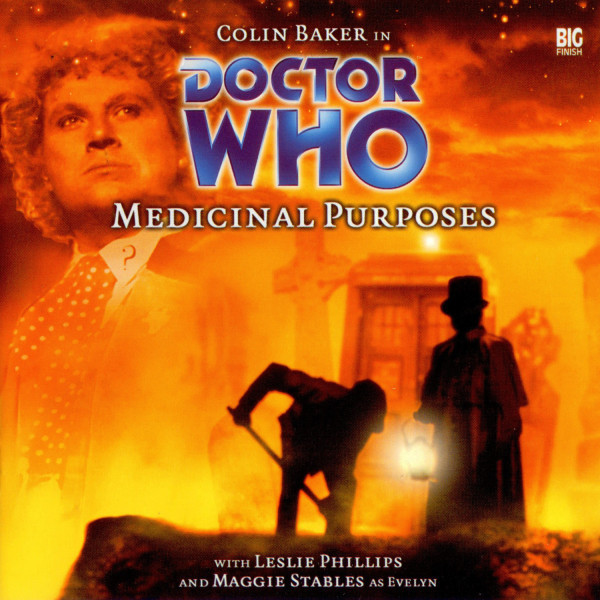
The Sixth Doctor and Evelyn tumble into the world of Burke and Hare, Edinburgh’s most infamous grave-robbing duo—and, oh baby, the Doctor is thrilled. He practically gushes about how their gruesome job “advanced medical science.” To the faces of literal murderers. To say his ethical filter is clogged here would be a kindness. It’s jarring, uncomfortable—Colin Baker pushes the charm so hard, you half-expect the Doctor to ask for their autograph.
Burke shows up late, like a stubborn knock on your door. Instead, it’s Knox who owns the early spotlight—a vivisection-obsessed doc funding murders to feed his anatomical cravings. And then—plot twist! He’s a time-traveler with a stolen TARDIS. He drops a mention of Jekyll and Hyde like it’s casual gossip, thirty years before its book exists. This is peak Doctor Who mischief, bending time for straight-up posturing.
On their ragged side: Mary, a sex worker portrayed with actual dignity (rare win), and Daft Jamie—played by David Tennant, in a surprisingly earnest turn. Jamie’s not a joke, and that’s the tightrope the story almost walks without face-planting. The Doctor leans into the “magical autistic kid” trope, sure, but Tennant sells his warmth and innocence. It’s easy to cheer for him…until you realize he’s being set up for death by history playing its cruel hand.
Atmosphere-wise? Imagine Sweeney Todd meets gothic curse: graveyard owls, flickering gaslight, stale Edinburgh mist pressing around every sentence. It’s superbly textured, and the soundscape is practically dripping with dread.
But where it flubs is pacing and emotional payoff. Scenes linger two minutes too long, dragging exposition as though it’s formalin. Mary and Jamie both end up dead, their arcs serving the narrative as disposable emotional triggers—a trope Evelyn herself has fought against in past lives. Would it hurt to let everyone survive once? Especially when Evelyn’s reckoning with the cost of heartbreaking losses?
Still, the story doesn’t just tread water—it swims through murky moral waters. Knox is unsettling, charismatic, and horrifying in his clinical detachment. The Doctor’s confrontation with that twisted variant of Knox is tense, but fizzles right before it might really crack hearts open in rage or despair. The reveal of the stolen TARDIS hits like a drop of acid in your tea, but momentum slumps just when your skin should be crawling.
Final Thoughts:
This story drips with gothic elegance and dark humor, carried on the shoulders of stellar performances. Evelyn is as fierce as ever, Baker exudes misplaced glee at the edge of horror, Tennant tugs your sympathetic strings right before the world snaps them. Yet the heart of the story—its moral reckoning—stays just out of reach, hidden behind lingering scenes and recycled horror tropes.
Rating: 4 out of 5 morally questionable murder mysteries